
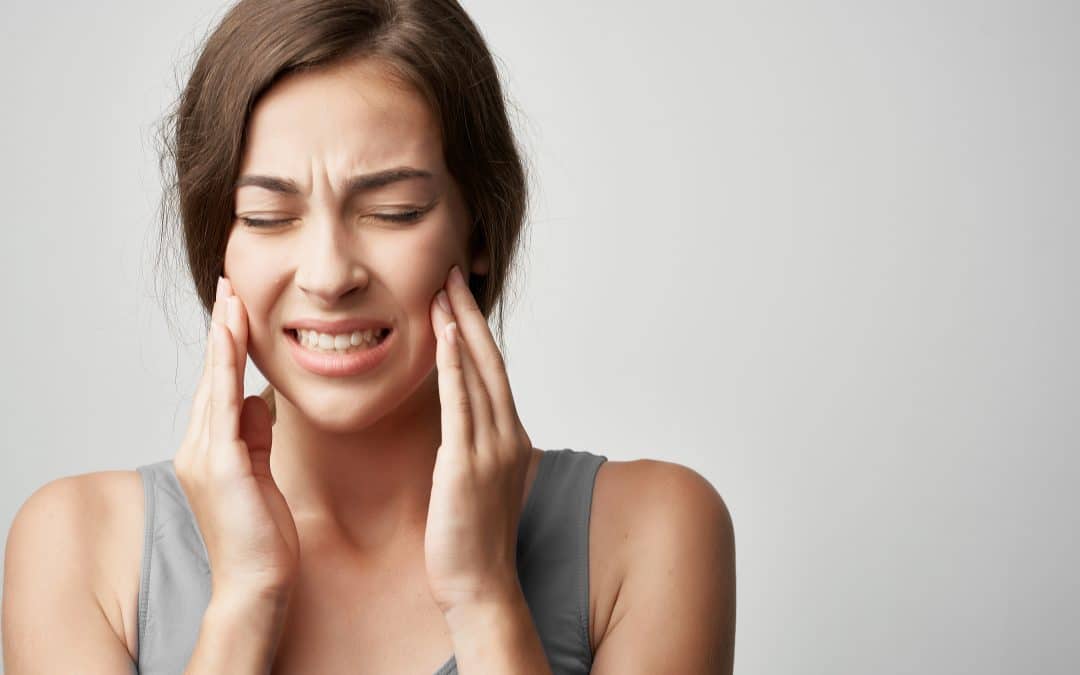
Bruxism is the habit of grinding, clenching, or gnashing your teeth, often without realizing it. It can happen while you are awake or during sleep. Over time, this repeated pressure can strain your teeth, jaw muscles, and joints.
At Smile Solutions of Maine, we help patients in Waterville and Winthrop, ME, identify the signs of teeth grinding early and protect their smiles with safe, painless, state-of-the-art care. Using modern diagnostics and a comfort-focused approach, we evaluate bite patterns, jaw function, and tooth wear to determine whether bruxism is affecting your oral health.
This Article Will Address
- What bruxism is and how it relates to teeth grinding
- What causes bruxism
- Symptoms to watch for and when to see a dentist
- Whether bruxism can cause jaw pain or TMJ disorders
- How a dentist treats bruxism, including custom night guards
What Is Bruxism?
Bruxism is a condition characterized by repeated clenching or grinding of the teeth. Some people grind their teeth at night, known as sleep bruxism. Others clench their teeth during the day, often in response to stress or concentration, known as awake bruxism.
Although it may seem harmless at first, bruxism places significant pressure on the teeth and jaw. This force can exceed what is typically used for chewing and may gradually lead to enamel wear, tooth fractures, muscle tension, and joint discomfort.
Many patients are unaware they grind their teeth until symptoms appear or a dental exam reveals changes in tooth structure.
Sleep Bruxism vs Awake Bruxism
- Sleep bruxism occurs unconsciously during sleep and may be noticed by a partner who hears grinding.
- Awake bruxism often involves clenching without noticeable grinding sounds.
- Both forms can damage teeth and strain the jaw over time.
Why Bruxism Is More Than a Bad Habit
Bruxism is not simply a habit that can be ignored. It is a functional issue that can affect your bite, muscles, and temporomandibular joints. Identifying it early allows us to prevent more serious complications.
Is Bruxism the Same as Teeth Grinding?
Teeth grinding is the most recognized form of bruxism, but bruxism also includes clenching. Clenching may not produce noise, yet it can be just as harmful because it creates sustained pressure on the teeth and jaw.
Teeth Clenching Counts Too
Even without audible grinding, clenching can:
- Cause tooth sensitivity
- Lead to flattened or worn enamel
- Trigger jaw soreness and muscle fatigue
- Contribute to headaches
During a comprehensive dental exam, we evaluate wear patterns, bite alignment, and muscle tenderness to determine whether bruxism is present.
What Causes Bruxism?
Bruxism does not always have a single cause. In many cases, it results from a combination of factors.
Stress and Sleep Factors
Stress and anxiety are commonly associated with teeth grinding. Sleep disturbances, including sleep-related breathing concerns, may also contribute to nighttime grinding in some individuals.
Bite Alignment and Dental Factors
Changes in the way teeth fit together can influence grinding patterns. Missing teeth, uneven contacts, or shifting alignment may increase strain during sleep or while chewing.
Habits and Medications That May Contribute
For some patients, lifestyle factors may play a role. These may include:
- Excess caffeine
- Alcohol use
- Tobacco use
- Certain medications
A personalized evaluation allows us to identify likely contributing factors and tailor treatment accordingly.
What Are the Symptoms of Bruxism, and When Should I See a Dentist?
Bruxism can present in different ways. Some symptoms are subtle, while others become more noticeable over time.
Common Signs of Teeth Grinding and Clenching
- Flattened, chipped, or fractured teeth
- Increased tooth sensitivity
- Morning headaches
- Jaw soreness or facial discomfort
- Tight or fatigued chewing muscles
- Sleep disruption due to grinding
- Changes in how your bite feels
When Bruxism Becomes a Dental Problem
You should schedule an evaluation if you notice:
- Persistent jaw pain
- Recurrent headaches upon waking
- Visible wear or cracking of teeth
- Clicking, locking, or limited jaw movement
- Reports from a partner about nighttime grinding
Early intervention helps prevent further damage and may reduce discomfort before it becomes more complex to treat.
Can Bruxism Cause Jaw Pain or TMJ Disorders?
Yes, bruxism can contribute to jaw pain and may aggravate temporomandibular joint concerns. The repeated strain from clenching or grinding overworks the jaw muscles and places stress on the joint.
How Teeth Grinding Strains the Jaw Joint
When the jaw is held tightly for extended periods, muscles become fatigued and inflamed. Over time, this can lead to soreness, stiffness, or difficulty opening and closing the mouth comfortably.
Bruxism and TMJ Symptoms, What the Connection Means
Bruxism does not cause every TMJ disorder, but it can worsen symptoms such as:
- Jaw clicking or popping
- Limited jaw movement
- Pain near the ears
- Facial tension
A careful evaluation helps determine whether symptoms are muscle-related, bite-related, or joint-related so treatment can be targeted appropriately.
How Is Bruxism Treated by a Dentist?
Treatment begins with a thorough assessment. At Smile Solutions of Maine, we review your symptoms, examine tooth wear, evaluate your bite, and use digital imaging when needed to better understand the condition.
Custom Night Guards for Bruxism
A professionally designed night guard:
- Protects enamel from further wear
- Reduces strain on the jaw muscles
- Helps distribute pressure more evenly
- Supports a more stable jaw position during sleep
Custom appliances are designed for comfort and fit, making them more effective than over-the-counter options.
Restorative Options When Teeth Are Worn or Cracked
If bruxism has already caused damage, restorative treatments such as dental crowns, fillings, or other procedures may be recommended to rebuild and protect affected teeth.
When We Coordinate Care for Sleep or Airway Concerns
If we suspect that sleep-related factors are contributing to grinding, we may recommend coordination with a primary care provider or sleep specialist. Addressing underlying concerns can improve both oral health and overall well-being.
Every treatment plan is individualized based on the cause and severity of your bruxism.
Why Choose Smile Solutions of Maine for Bruxism Evaluation and Treatment in Waterville and Winthrop, ME?
National health websites provide helpful information, but local, personalized care makes the difference when it comes to protecting your smile.
Advanced Technology That Supports Accurate Diagnosis
Our practice uses digital radiography and advanced diagnostic tools to evaluate bite patterns and tooth wear with precision.
A Comfort-Focused Team That Listens
Our philosophy centers on patient comfort and clear communication. We take the time to understand your concerns and explain your options so you can make informed decisions.
Comprehensive Care for Long-Term Protection
From preventive exams to restorative solutions, we provide comprehensive dental care under one roof. Our team is committed to ongoing education and advanced training so we can deliver modern, evidence-based dentistry.
What Happens If Bruxism Is Not Treated?
Untreated bruxism can lead to:
- Progressive enamel wear
- Cracked or fractured teeth
- Increased sensitivity
- Jaw pain and headaches
- More complex restorative needs over time
Addressing the issue early often reduces the need for more extensive treatment later.
Stop Teeth Grinding Damage Before It Gets Worse
Bruxism may begin quietly, but the effects can build over time. At Smile Solutions of Maine, we are dedicated to protecting your oral health with proactive, patient-centered care in Waterville and Winthrop, ME. If you suspect you grind or clench your teeth, schedule an evaluation with our team. Contact us today to learn how we can help you preserve your smile with comfortable, state-of-the-art treatment.
Sources
Mayo Clinic. Bruxism Overview.
Cleveland Clinic. Teeth Grinding and Bruxism.